Once every three years, the federal government publishes an Intergenerational Report that looks 40 years into the future. The newest edition sends a clear signal for anyone building a working life in Australia: the country will keep needing skilled people, and many of them will come from overseas. For workers, the more useful question is which skills will be in demand and how you can show you have them.
Fewer births, more newcomers
The report projects the fertility rate dropping to 1.34 births per woman by 2065–66, down from the 1.62 assumed in the previous edition. In the 2060s, deaths are expected to exceed births for the first time. Even so, the population is forecast to reach 39.3 million by 2065–66, largely because the report assumes net overseas migration will average 235,000 people a year over the long run.
Age is a big part of the story. A recent migrant is typically around 26, compared with a median of 38 for existing residents. That helps keep the working-age population, people aged 15 to 64, growing while it shrinks in many similar economies. Meanwhile the median age is projected to rise from 38.6 to 45 by 2062–63, the number of Australians aged 65+ is set to nearly double, and the number aged 85+ to nearly triple.
The skills the report points to
The report names several forces reshaping work. Each one hints at where qualified people will be wanted:
- Care. An older population lifts demand for nurses, aged care workers, allied health professionals and disability support staff.
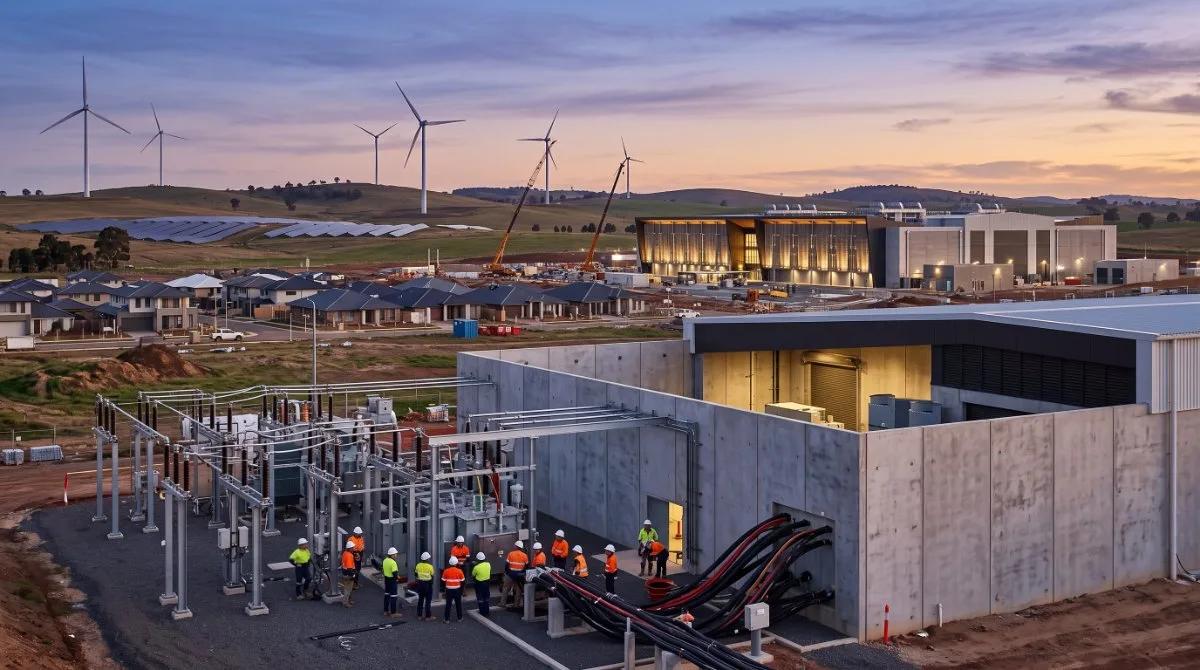
- Energy. With a net zero target of 2050 and an ambition to become a renewable energy superpower through critical minerals, green hydrogen and green metals, the country will need engineers, technicians and tradespeople.
- Technology. The report says the effects of artificial intelligence are still unclear, but they will change which skills matter most and how work gets done.
- Services. Growth is expected to keep tilting towards services, rewarding professional, technical and people-focused skills.
Growth itself is tipped to ease from about 3% a year to about 2%, mostly due to ageing. Still, the economy is projected to be more than twice its present size by 2065–66, with real income per person up 55%, and life expectancy reaching 89.5 years for women and 86.1 for men. The report is also frank about pressures, including housing affordability for younger people and rising government spending.
What this means for your qualifications
Long-term demand is encouraging, but employers, licensing bodies and skills assessors usually want proof. That is where Recognition of Prior Learning (RPL) can help. RPL compares evidence of the work you have already done, such as your employment history, references, photos of completed jobs, payslips and licences, with the units of competency in a nationally recognised qualification. A Registered Training Organisation (RTO) assesses that evidence and, if it meets the requirements, issues the qualification.
The energy transition is a good example. If you already install solar or battery systems, the Certificate IV in Electrical - Renewable Energy may reflect your work. Electrical tradespeople can compare their background with the Certificate III in Electrotechnology Electrician, and those designing or coordinating projects might look at the Diploma of Renewable Energy Engineering. Care and health roles have their own registration and qualification requirements, so check the rules for your occupation before you plan your next step.
Migration levels are not set in stone
The 235,000 figure is a planning assumption, not a commitment. Some political parties have said they would aim for much lower migration if elected, and visa categories, occupation lists and priorities can shift with each government and budget.
That makes preparation more valuable, not less. Skills assessments, English tests and gathering documents all take time, and up-to-date information makes a real difference. Check current visa settings on the Department of Home Affairs website rather than relying on older rules.
A practical checklist
- Match your experience to the areas the report expects to grow, such as care, energy and technology.
- Collect your evidence early: work history, references, photos and payslips.
- Compare that evidence with a relevant qualification to see where you stand.
- Keep checking official requirements, because rules and lists change.
A 40-year outlook cannot predict every turn, but it does show where the country expects to need people. If your skills sit in one of those areas, getting them formally recognised is a smart way to be ready.